
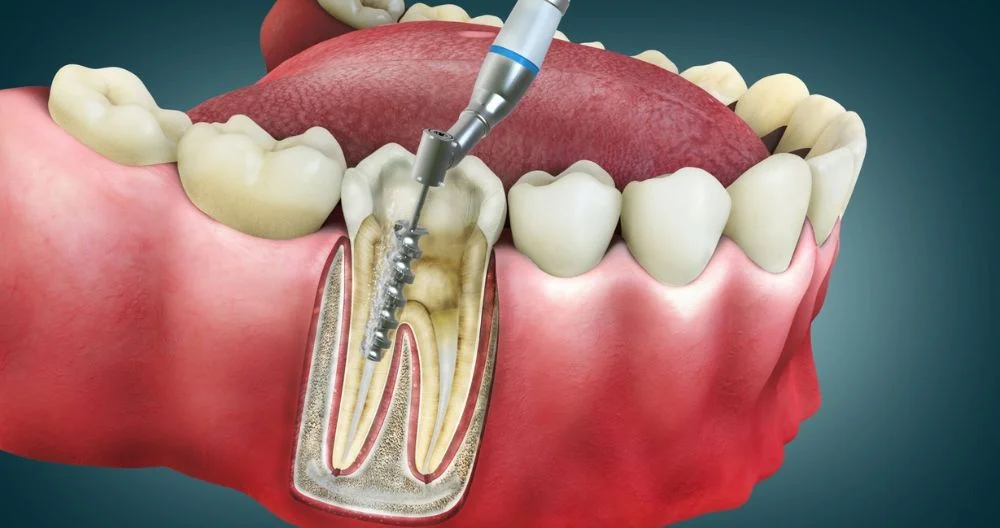
Many people assume that if a tooth does not hurt, everything must be fine. In reality, dental problems can develop quietly for months or even years before noticeable discomfort begins. One of the most common examples is an infected or damaged tooth that may require root canal treatment even when pain is minimal or completely absent.
At Fibonacci Smile, patients are often surprised to learn they need treatment despite feeling little or no discomfort. Modern dentistry allows dentists to detect problems early, often before severe pain or swelling develops. Addressing those concerns sooner rather than later can help save your natural tooth and prevent more complicated dental issues in the future.
If you have been told you may need a root canal but you are not experiencing pain, understanding why this happens can help you make a confident and informed decision about your dental health.
Can You Really Need a Root Canal Without Pain?
Yes, absolutely. While tooth pain is a common symptom of infection or nerve damage, it is not always present. Some teeth gradually lose vitality over time, causing the nerve inside the tooth to die slowly. In these situations, the infection may continue spreading without causing sharp discomfort.
A tooth may require root canal therapy because of:
- Deep decay
- A cracked tooth
- Previous trauma or injury
- Repeated dental procedures on the same tooth
- Severe wear or grinding
- Infection beneath an old filling or crown
Sometimes the nerve tissue inside the tooth becomes damaged enough that it no longer sends pain signals. Unfortunately, this does not mean the problem has healed. It may actually indicate that the nerve has died and infection is progressing deeper into the tooth and surrounding bone.
This is one reason regular dental examinations and X rays are so important. Your Fibonacci Smile team may detect a hidden infection before you even realize there is a problem.
Signs You May Need a Root Canal Even Without Pain
Although some patients feel no discomfort, there are often subtle warning signs that something is wrong. Paying attention to these symptoms can help prevent more extensive dental problems later.
Tooth Discoloration
A tooth that becomes darker than surrounding teeth may indicate internal nerve damage. Gray, brown, or dark yellow discoloration can develop after trauma or infection inside the tooth.
Gum Swelling or Pimples
Small bumps on the gums near a tooth can signal infection drainage. These are sometimes called dental abscesses or fistulas. They may come and go without causing significant pain.
Sensitivity That Comes and Goes
Some patients notice mild sensitivity to hot or cold temperatures that fades quickly. Others experience pressure sensitivity while chewing. These symptoms can indicate inflammation inside the tooth.
Deep Cavities
Large areas of decay can allow bacteria to reach the pulp of the tooth. Even if there is no pain yet, infection may already be present.
Bone Loss Seen on X Rays
Many root canal infections are discovered during routine X rays. Dentists can often see infection around the root tip before symptoms appear.
This is one reason patients searching for a trusted Fibonacci Smile or looking into Root Canal Therapy in Wenatchee should not wait for severe pain before scheduling an evaluation.
Why Pain Is Not Always a Reliable Indicator
Pain occurs when nerves inside the tooth become irritated or inflamed. However, if those nerves die completely, the tooth may stop hurting altogether. The infection itself can still remain active beneath the surface.
Think of it like a tree with dead roots. From the outside, the problem may not be obvious immediately, but deterioration is still happening underneath.
Some patients assume that because discomfort disappeared, the tooth healed naturally. Unfortunately, infected dental pulp cannot heal on its own. Without treatment, bacteria may continue spreading into nearby bone and gum tissue.
Eventually, untreated infections can lead to:
- Facial swelling
- Abscess formation
- Bone loss around the tooth
- Tooth fracture
- Tooth loss
- Spread of infection to surrounding areas
Catching the issue early often allows for more predictable treatment and better long term outcomes.
What Happens During a Root Canal Treatment
One of the biggest misconceptions about root canals is that they are painful or frightening procedures. In reality, modern root canal therapy is designed to relieve infection and preserve your natural tooth comfortably.
Understanding What Happens During a Root Canal Treatment can help ease anxiety and make patients feel more confident moving forward.
Examination and Diagnosis
Your dentist will examine the tooth, review symptoms, and take X rays to determine the extent of the infection.
Numbing the Area
Local anesthesia is used to keep the procedure comfortable. Most patients say root canal therapy feels similar to getting a filling.
Cleaning the Tooth
A small opening is made in the tooth so the infected pulp can be removed. Tiny instruments are used to clean and shape the root canals.
Disinfecting and Sealing
After cleaning, the canals are filled with a special material that seals the inside of the tooth and helps prevent reinfection.
Restoring the Tooth
In many cases, a crown is recommended afterward to strengthen and protect the treated tooth.
At Fibonacci Smile, patient comfort and conservative care are priorities. The goal is not simply removing infection, but preserving as much healthy tooth structure as possible.
Why Saving Natural Teeth is So Important
When patients hear they may need a root canal, some wonder whether extraction would be easier. However, Why Saving Natural Teeth is So Important cannot be overstated.
Your natural teeth are specifically designed to function together for proper chewing, speaking, and bite alignment. Even advanced tooth replacement options cannot perfectly replicate the feel and function of a healthy natural tooth.
Saving your natural tooth offers several advantages:
Better Chewing Efficiency
Natural teeth allow you to bite and chew comfortably without changes in pressure or alignment.
Preventing Tooth Movement
When a tooth is removed, neighboring teeth can gradually shift into the empty space. This may lead to bite problems and additional dental complications.
Preserving Jawbone Health
Natural tooth roots help stimulate the jawbone. Losing a tooth can contribute to bone loss over time.
More Conservative Long Term Care
Root canal treatment followed by proper restoration is often less invasive and less costly long term than extraction followed by implants or bridges.
Maintaining Your Smile
Keeping your natural teeth helps preserve a more natural appearance and smile esthetics.
For patients considering Root Canal Therapy in Wenatchee, preserving the original tooth whenever possible is typically the preferred solution.
Why Early Treatment Matters
One of the biggest advantages of detecting infection before severe pain begins is the opportunity to treat the problem before major damage occurs.
Early root canal treatment can:
- Prevent swelling and abscesses
- Reduce the risk of tooth fracture
- Preserve more healthy tooth structure
- Improve treatment success rates
- Prevent more costly future procedures
Waiting too long may allow infection to spread deeper into the surrounding bone and tissue. In some cases, delaying treatment can make saving the tooth impossible.
A skilled Wenatchee dentist can identify these issues early and help guide you through your options before the situation worsens.
Why You Should Consider an Endodontist If You Need a Root Canal
While many general dentists successfully perform root canals, certain complex cases may benefit from referral to an endodontist.
Why You Should Consider an Endodontist If You Need a Root Canal often depends on the complexity of the tooth and the extent of infection.
Endodontists are dental specialists who receive additional years of advanced training focused specifically on diagnosing tooth pain and performing root canal procedures.
Patients may benefit from seeing an endodontist when:
The Tooth Has Complex Anatomy
Some teeth have curved or narrow canals that require specialized instruments and expertise.
Previous Root Canal Treatment Failed
Retreatment cases can be more technically challenging and may require advanced imaging and specialized care.
Severe Infection Is Present
Large infections or abscesses sometimes require advanced management techniques.
Cracks or Trauma Exist
Traumatized teeth may involve complicated fractures or nerve damage.
Microscopic Precision Is Needed
Many endodontists use surgical microscopes and advanced imaging technology for highly detailed treatment.
At times, your Wenatchee dentist may coordinate care with a trusted specialist to ensure the best possible outcome for your tooth.
How Dentists Diagnose Root Canal Problems
Patients are often surprised that dentists can identify root canal infections before symptoms become severe. Diagnosis usually combines several tools and techniques.
Your dentist may use:
- Digital X rays
- Thermal testing
- Bite testing
- Percussion testing
- Clinical examination
- 3D imaging in certain cases
These evaluations help determine whether the pulp inside the tooth is healthy, inflamed, or infected.
In many cases, Root Canal Therapy in Wenatchee is recommended not because of current pain levels, but because diagnostic findings show active disease progression.
Are Root Canals Successful?
Modern root canal therapy has a very high success rate. With proper restoration and routine dental care, many treated teeth last for decades.
Success depends on several factors, including:
- Timely treatment
- Thorough cleaning of the canals
- Proper final restoration
- Good oral hygiene habits
- Regular dental visits
Patients who follow aftercare recommendations and maintain routine cleanings often enjoy excellent long term results.
What Happens If You Ignore the Problem?
Ignoring an infected tooth simply because it does not hurt can create larger complications over time. Infection does not usually disappear without treatment.
Eventually, untreated infections may lead to:
- Sudden severe pain
- Facial swelling
- Gum abscesses
- Bone destruction
- Difficulty chewing
- Tooth loss
In rare situations, severe dental infections can affect overall health as bacteria spread beyond the mouth.
This is why many dentists encourage early treatment even when symptoms seem mild or nonexistent.
Schedule a Consultation
If your dentist has recommended root canal treatment, do not assume that lack of pain means treatment is unnecessary. Dental infections can remain hidden while continuing to damage the tooth and surrounding structures.
At Fibonacci Smile, patients receive compassionate, modern care focused on preserving healthy smiles whenever possible. Whether you have noticeable symptoms or simply questions about a tooth that was flagged during an exam, the team can help you understand your options clearly.
If you are searching for Root Canal Therapy in Wenatchee or looking for a trusted Wenatchee dentist to evaluate a concerning tooth, now is the perfect time to Schedule a Consultation and protect your long term oral health.