
Is It Just Me, or Do Things Taste Differently with Dentures?
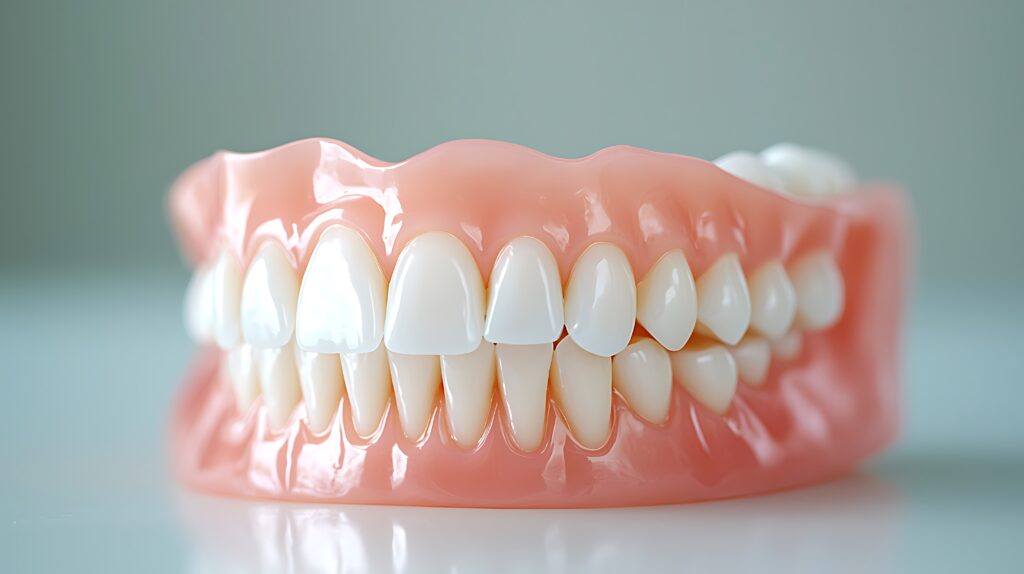
When people first receive dentures, one of the surprising discoveries is how food and drinks may not taste exactly the same as before. Patients often ask, “Is it just me, or do things taste differently with dentures?” The truth is that while dentures restore the ability to chew and speak with confidence, they can also influence the way flavors are experienced. For patients at Fibonacci Smile in Wenatchee, WA, this is a common concern—and one that deserves careful explanation.
Taste is a complex sense. It’s not only about the tongue but also about the way the mouth, palate, and even smell receptors in the nose work together to create flavor. When dentures enter the equation, especially for the first time, they can temporarily interfere with that delicate balance. Fortunately, with the right care, adaptation, and professional guidance, most people adjust and rediscover the joys of eating.
Your Sense of Taste Changes with Age
Before looking specifically at dentures, it’s important to understand that taste naturally evolves as we get older. Just as vision or hearing may decline with age, taste buds lose sensitivity over time. Some individuals notice that sweet or salty flavors aren’t as strong as they once were. Others may require more seasoning to achieve the same flavor intensity.
Research shows that by age 60, most people have fewer active taste buds than they did in their younger years. This doesn’t mean food becomes tasteless, but it does mean that flavors may not seem quite as bold. To complicate matters, many medications prescribed for common age-related conditions—like high blood pressure or diabetes—can further blunt taste sensation or contribute to dry mouth, which changes how flavors are processed.
This natural change can sometimes be mistaken for a denture problem. If a patient receives dentures later in life, they may attribute the difference in flavor solely to the appliance, when in reality part of it comes from the natural aging process. Recognizing that your sense of taste changes with age helps patients manage expectations and see the full picture.
How Dentures Influence Flavor
Dentures can impact taste in several ways, and the experience differs depending on whether the appliance is a full denture, partial denture, or implant-supported option. Some changes are temporary, while others may be linked to the design of the denture itself.
Dentures Cover the Palate
One of the main reasons patients perceive a difference in taste is because dentures often cover the roof of the mouth. The palate, particularly the soft palate, plays a bigger role in the experience of flavor than many realize. When a denture base extends across this area, it reduces contact with food and changes the way flavors are transmitted.
For example, hot coffee, crisp apples, or a favorite meal may not seem quite as bold at first. While the tongue still detects primary tastes—sweet, salty, bitter, sour, and umami—the absence of full palate participation can create a sense that something is missing. Over time, many patients adapt and report that their brain “fills in the gaps,” but initial adjustment can take weeks or even months.
Poor Denture Hygiene
Another factor that can alter taste is denture cleanliness. When dentures aren’t cleaned properly, bacteria and food particles build up on the acrylic surface. This doesn’t just cause odors—it can also lead to a persistent unpleasant taste in the mouth. Patients sometimes describe it as metallic, bitter, or stale.
Maintaining a thorough cleaning routine is essential. Brushing the dentures, soaking them overnight in an approved solution, and keeping the tongue and gums clean all contribute to a fresher, more natural taste experience. Neglecting this step may cause patients to believe their dentures are permanently interfering with flavor when the real culprit is hygiene-related.
Saliva and Taste Perception
Saliva plays a major role in how flavors dissolve and are detected by taste buds. Some patients who wear dentures report reduced saliva flow, either from age, medication, or the presence of the appliance itself. A drier mouth can make flavors less noticeable and chewing more difficult. Staying hydrated, using saliva substitutes if necessary, and addressing dry mouth with a Wenatchee dentist can help restore balance.
The Fit of the Denture
An ill-fitting denture can also affect flavor indirectly. If the denture shifts while chewing, food may not contact the tongue and palate in the same way. This can create a disjointed eating experience, leaving food feeling less satisfying overall. Regular checkups ensure dentures fit properly and provide maximum function without disrupting taste.
Adjusting to Life with Dentures
It’s important for patients to know that the adjustment period is temporary. Just as the tongue adapts to braces or the mouth gets used to a new dental crown, the brain and taste receptors learn to work with dentures. Many people notice improvements within a few weeks, and by a few months, flavors often feel much more natural.
During this time, experimenting with different foods can help. Some patients rediscover taste by trying new herbs, spicing up recipes, or focusing on foods with strong aromas that enhance flavor perception. Cooking with garlic, basil, ginger, or citrus can stimulate both taste and smell, creating a more enjoyable experience.
It’s also helpful to start with foods that are easy to chew and have bold, recognizable flavors. Warm soups, hearty stews, and fresh fruits can make eating pleasurable while adjusting to the new appliance.
When Taste Differences May Signal a Problem
Not every change in taste should be written off as “normal.” Certain warning signs suggest that dentures or oral health may need attention:
- A sudden metallic or chemical taste that persists
- Lingering bad breath despite good cleaning habits
- Red, swollen, or sore gum tissue beneath the denture
- Taste loss that appears months or years after dentures were fitted
These could indicate an infection, poor fit, or another dental concern. Patients in Wenatchee are encouraged to visit Fibonacci Smile promptly if they experience these issues. A simple adjustment or replacement of the appliance may restore both comfort and taste.
Tips for Maximizing Flavor with Dentures
Patients often ask what they can do at home to make meals more enjoyable. While every case is different, these strategies can help:
- Keep dentures impeccably clean with daily brushing and soaking.
- Stay hydrated throughout the day to support saliva flow.
- Choose fresh, whole foods over heavily processed options that may feel bland.
- Experiment with herbs and spices to create layers of flavor.
- Visit your dentist regularly to ensure the denture fits well and functions properly.
While dentures may change how taste is experienced, they don’t mean patients have to give up the pleasure of food. Many people find they enjoy meals just as much as before, once they learn how to adapt.
Balancing Esthetics, Comfort, and Flavor
Dentures are more than a chewing tool—they are part of a person’s confidence, speech, and overall well-being. While esthetics are important, function matters just as much. At Fibonacci Smile, every set of dentures is carefully designed to balance appearance with comfort and long-term usability.
Some patients choose implant-supported dentures for enhanced stability and better flavor perception, since these typically require less palate coverage. Others may prefer traditional full dentures but benefit from relining or reshaping to improve fit and reduce interference with taste. By focusing on both esthetics and functionality, the dental team ensures that patients enjoy a full quality of life.
A Patient-Centered Approach in Wenatchee
At Fibonacci Smile, patient experience drives every treatment recommendation. When someone expresses concern that their food doesn’t taste the same, the dental team takes time to listen, evaluate, and explore solutions. Adjustments, cleaning techniques, or alternative restorative options may all be considered.
Many people in Wenatchee are surprised to learn that they don’t have to “just live with it.” Taste differences with dentures are common, but they are not always permanent or unchangeable. With the right approach, it’s possible to regain much of the enjoyment of eating, whether through improved hygiene, relines, or considering modern implant dentistry.
About the Practice
Fibonacci Smile is a trusted dental practice located in Wenatchee, WA, known for combining advanced clinical care with compassionate service. From preventive cleanings and esthetic treatments to complex restorative solutions like dentures and implants, the practice is dedicated to improving both oral health and overall quality of life. Patients benefit from a modern environment, a highly trained team, and personalized care that considers both function and esthetics.
For those seeking dentures in Wenatchee, Fibonacci Smile offers a full range of options, including traditional dentures, partial dentures, and implant-supported designs. Each case is approached individually, with attention to comfort, appearance, and long-term satisfaction.
Regaining Confidence in Taste and Living Fully
If you’ve ever wondered, “Is it just me, or do things taste differently with dentures?” the answer is that it’s not just you—dentures can indeed change the way flavors are experienced. But that doesn’t mean taste enjoyment is lost forever. By understanding the role of age, palate coverage, hygiene, and saliva, patients can better navigate the transition.
At Fibonacci Smile, the goal is not just to restore smiles but also to help patients rediscover the pleasures of eating, speaking, and living with confidence. For anyone in Wenatchee experiencing challenges with taste or comfort, the caring dental team is ready to provide solutions that bring both flavor and joy back to daily life.