
Dental Implants in Wenatchee, WA
Dr. Douglas Milner, DDS graduated from the University of Washington School of Dentistry in 1991 and came back to the Wenatchee Valley to practice in 1994. He has been restoring dental implants here ever since, partnering with a trusted local oral surgeon who performs the surgical placement while Dr. Milner manages your case and completes the restoration. When you call Fibonacci Smile at (509) 665-0300, you are not calling a chain or a referral centre. You are calling a practice that has served this valley for over 30 years, run by a dentist who grew up in Cashmere and chose to come home.
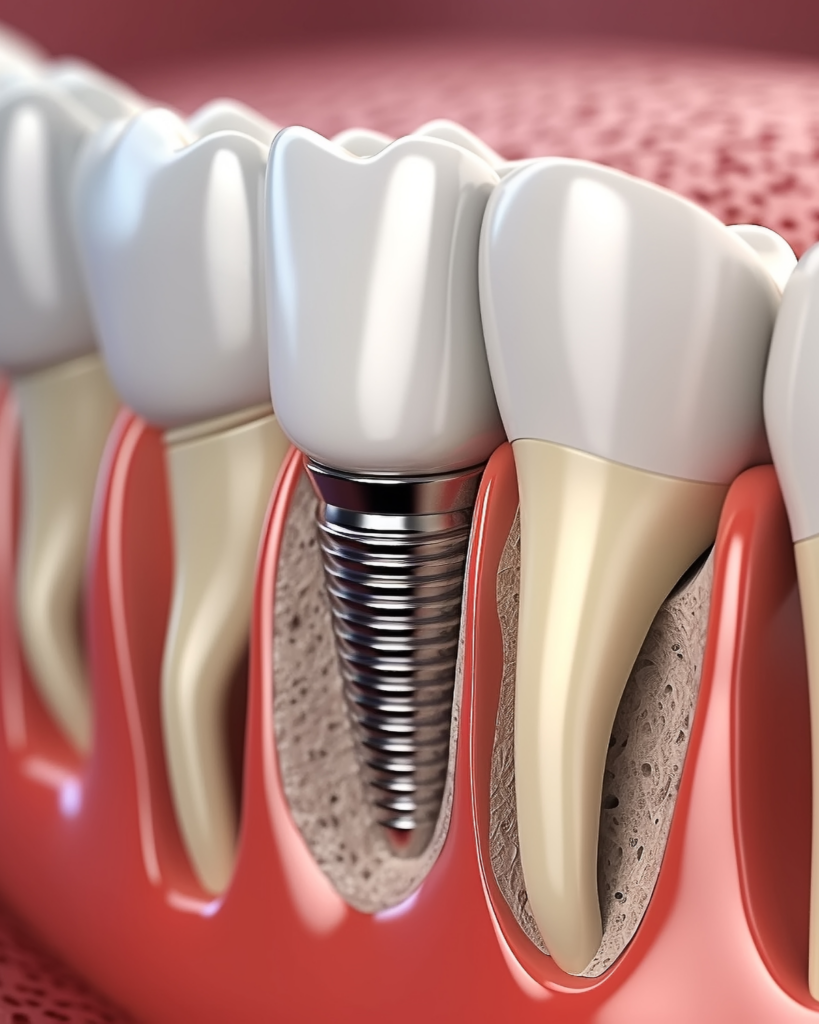
A dental implant is a titanium post placed into the jawbone to replace a missing tooth root. Once the post fuses with the bone, a custom crown attaches on top. The result is a fixed replacement tooth that does not shift, does not require adhesives, and does not depend on neighboring teeth for support. Most patients find it feels like their natural tooth because it is anchored the same way.
If you have lost a tooth and want to understand your options, read on. If you already know you want a consultation, call us at (509) 665-0300 or visit our clinic
Schedule Your Implant Consultation
What Happens When a Missing Tooth Goes Untreated
This is the part most implant pages skip. A missing tooth is not just a cosmetic issue. If the gap is left unfilled, the surrounding teeth begin to drift toward the empty space. Over months and years, they can rotate. The teeth above or below the gap may begin to grow toward it, a process called super-eruption. That combination, drifting plus super-eruption, can collapse your bite and create jaw joint problems.
The jawbone under a missing tooth also begins to shrink. Without a tooth root stimulating it, the bone loses density. That shrinkage changes the shape of your face over time, and it reduces the amount of bone available if you later decide to place an implant. Acting sooner rather than later matters, both for your long-term oral health and for keeping your implant options open.
Why Wenatchee Patients Choose Fibonacci Smile for Implants
Thirty Years in This Valley
Dr. Milner has been in private practice in the Wenatchee area since 1994. He mentors other local dentists and has taught at the University of Washington School of Dentistry in the Removable Prosthetics department. Patients from Cashmere, Leavenworth, Chelan, and East Wenatchee regularly make the drive to Fibonacci Smile rather than heading over the mountains. That is not an accident.
Coordinated Care, Restorative Expertise
Dr. Milner manages the consultation and full treatment plan, refers out for surgical placement, then takes over for the crown restoration once healing is confirmed.
Digital Planning Before the First Surgical Step
Fibonacci Smile uses digital X-rays and 3D digital mapping to evaluate bone structure, nerve locations, and sinus proximity before placing any implant. Dr. Milner can model the procedure digitally, assess positioning, and check implant sizing Dr. Milner reviews this imaging with your oral surgeon to help plan optimal implant positioning before your surgical appointment. No Wenatchee competitor we are aware of highlights this level of pre-surgical planning on their implant pages.
CEREC In-Office Crowns for the Restoration
Once your implant has integrated, the crown that attaches on top can often be designed and milled here at Fibonacci Smile using our CEREC system. That means fewer separate appointments to complete your tooth. Ask Dr. Milner at your consultation whether your case qualifies for an in-office crown.
Sedation for Patients Who Feel Anxious
The restoration appointments at Fibonacci Smile, including your crown fitting, are designed to be comfortable. If dental visits make you anxious in general, we offer laughing gas, oral sedation, and other comfort options here. Your oral surgeon will discuss anesthesia and sedation options for the surgical placement separately. The team also provides blankets, music, and other comfort options during longer appointments. You can read more on the sedation and comfort page.
5.0 Stars, Over 300 Google Reviews
Fibonacci Smile holds a 5.0-star rating based on 300+ Google reviews. That rating covers the full range of what the practice does. It is not built on implants alone, but it reflects consistent care across everything Dr. Milner and his team deliver.
How the Implant Process Works at Fibonacci Smile
Every implant case is different. The steps below represent the typical sequence. Dr. Milner will map out a timeline specific to your situation at your first appointment.
Step 1 -- Consultation and Digital Evaluation
Dr. Milner reviews your dental and medical history, takes digital X-rays, and assesses your bone density and gum health. If bone grafting is needed first, that gets discussed here. You leave with a clear picture of what treatment involves, how long it takes, and what it will cost.
Step 2 -- Surgical Placement
The surgical placement of the implant post is performed by a trusted oral surgeon that Dr. Milner works with closely. The oral surgeon places the titanium post into the jawbone under their own anesthesia and sedation protocols, and provides you with aftercare instructions specific to the surgical site. Dr. Milner shares your treatment plan and digital imaging with the oral surgeon ahead of time so the placement matches what has been planned for your final restoration. If you have questions about how this step fits into your overall treatment, Fibonacci Smile is available to help.
Step 3 -- Osseointegration (Healing)
Over the following months, the jawbone grows around the implant post. This is called osseointegration. It is the phase that takes the most time and cannot be rushed. Most cases require three to six months before the next step. Cases with bone grafting take longer because the graft must mature first.
Step 4 -- Abutment and Crown
Once your oral surgeon confirms osseointegration is complete, Dr. Milner attaches an abutment and designs your final crown. For single-tooth cases, a custom crown is made, often using the CEREC system right here at our Wenatchee office. Dr. Milner matches the shape and shade to your surrounding teeth.
What If You Need Bone Grafting First?
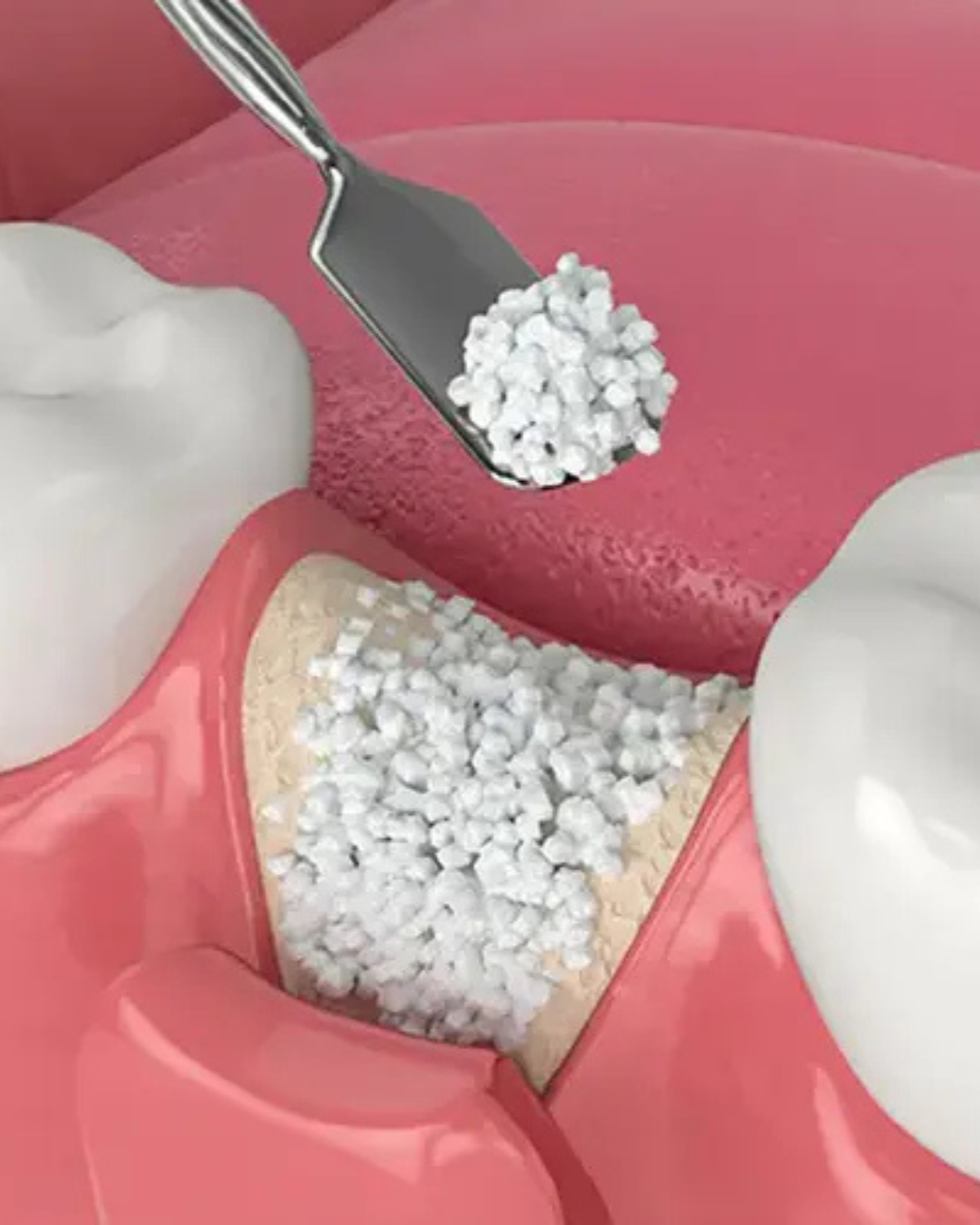
Bone loss after tooth extraction is common. When a tooth root is no longer present to stimulate the jaw, the bone in that area begins to shrink. How much bone remains depends on how long the tooth has been missing, your age, and other health factors.
Dr. Milner reviews the imaging and determines whether grafting is needed. The grafting procedure itself is typically performed by the oral surgeon, and Dr. Milner coordinates timing and explains what it means for your overall treatment plan. Grafting rebuilds the area so it can support an implant post securely. The graft material needs time to mature before placement, which extends the overall timeline. Many patients who were told elsewhere that they were not candidates for implants do qualify after grafting.
Grafting is discussed and planned at your initial consultation. If it applies to your case, Dr. Milner will outline what the procedure involves, how long healing takes, and what it means for your total treatment timeline and cost. Learn more about our tooth extraction and preservation procedures, which often set the stage for successful implant placement.
Implant Options Available at Fibonacci Smile
Single-Tooth Implants
One implant post supports one crown. This is the most common option for patients who have lost a single tooth. The neighboring teeth do not need to be altered or used as anchors, which preserves their structure.
Implant-Supported Bridges
When several adjacent teeth are missing, two implants can anchor a bridge of three to five replacement teeth. This is different from a conventional bridge, which requires grinding down healthy neighboring teeth to act as support posts.
Implant-Supported Dentures
Patients who wear full or partial dentures may be candidates for implant-supported overdentures. Several strategically placed posts anchor the denture so it does not shift during eating or speaking. This requires adequate bone volume. Dr. Milner evaluates each case individually. You can explore the full denture and partial denture options separately on our dentures page.
Implants vs. Dentures and Bridges: The Long-Term Picture
Dentures and bridges cost less upfront. That is true and worth knowing. But they are not permanent solutions. Traditional dentures may need relining or replacement every five to ten years as the jaw changes shape. Bridges can fail and often require work on the teeth they attach to.
An implant post, by contrast, is designed to be permanent. The jawbone integrates with it. The crown on top may eventually need replacement after a decade or two, but the implant itself does not wear out the way a bridge or denture does. For many patients, the long-term total cost of implants is comparable to or lower than repeated rounds of denture relining and bridge replacement over twenty years.
This is not an argument that implants are the right choice for every patient. For some people, the upfront cost is a real barrier and dentures or bridges are the more practical answer. Dr. Milner will give you an honest comparison of all tooth replacement options at your consultation, not a sales pitch for the most expensive one.
Are You a Candidate for Dental Implants?
Most adults who are in reasonable health and have lost one or more teeth can be evaluated. The key factors Dr. Milner considers are:
- Sufficient jawbone density, or the ability to build it back with grafting
- Healthy gum tissue, or gum disease that can be treated before proceeding
- No uncontrolled systemic conditions that would interfere with healing
- Tobacco use — smokers have lower implant success rates; quitting before and during treatment significantly improves outcomes
The fastest way to know whether you are a candidate is to schedule a consultation. Dr. Milner will review your X-rays and give you a straight answer.
What Do Dental Implants Cost in Wenatchee?
Single-tooth implant costs in Washington State typically range from $3,000 to $6,000 per tooth. That estimate generally includes the implant post, abutment, and crown. Preparatory procedures like bone grafting are priced separately. Multi-tooth and full-arch cases involve different pricing based on the number of implants and materials required.
These figures give you a ballpark. The only way to get an accurate number for your specific situation is to come in for a consultation. Dr. Milner will provide an itemized breakdown before any treatment begins, so there are no surprises.
Insurance Coverage in Washington
Dental insurance coverage for implants varies significantly by plan. Some Washington plans cover part of the crown or preparatory procedures. Most do not cover the implant post itself. Fibonacci Smile accepts insurance as a courtesy, files claims on your behalf, and collects an estimated co-pay at the time of service. Call your insurer before your appointment to confirm what your specific plan covers for implants.
Financing and Membership Options
CareCredit financing is available at Fibonacci Smile. Patients who pay in full by cash or check receive a 5 percent discount. For patients without dental insurance, the Fibonacci Smile Subscription Club is an in-house membership plan that provides access to care at reduced rates. Ask the front desk for details when you call. Learn more about all financing options on our insurance and financing page.
Ready to Talk About Implants?
Frequently Asked Questions About Dental Implants in Wenatchee
How long do dental implants last?
The titanium implant post is designed to be a permanent fixture in the jaw. With consistent oral hygiene and regular dental visits, the implant itself can last a lifetime. The crown on top may wear and need replacement after ten to twenty years, depending on how well it is cared for. Dr. Milner covers maintenance expectations during your consultation so you know what to plan for long term.
Is the implant procedure painful?
The surgical placement is performed by your oral surgeon under their own anesthesia and sedation protocols, and their office will walk you through what to expect and how to manage any post-procedure soreness. Most patients describe the recovery as manageable with over-the-counter pain relief, and any discomfort typically settles within a few days. Once healing is confirmed and it is time for your restoration, the crown appointments at Fibonacci Smile are comfortable and straightforward; Dr. Milner and the team are always available if you have questions about how the surgical and restorative phases fit together.
How long does the full implant process take?
From consultation to final crown, the process typically spans four to twelve months. The longest portion is osseointegration, the phase where bone fuses to the implant. Cases that require bone grafting beforehand take longer because the graft needs time to mature. Dr. Milner and your oral surgeon will map out your specific timeline at your first appointment so you know what to expect.
What if I have already lost bone where the tooth was missing?
Bone loss after tooth loss is expected. It does not automatically rule out implants. In many cases, bone grafting before implant placement can rebuild the area sufficiently. Dr. Milner uses 3D digital mapping to assess exactly how much bone is present and whether grafting is a viable preparatory step for your case.
Does Washington State dental insurance cover implants?
It depends on your plan. Some plans cover the crown portion or parts of preparatory procedures like bone grafting. Most do not cover the implant post itself. Fibonacci Smile files insurance claims on your behalf and provides a cost estimate before treatment. The best step is to call your insurer directly and ask what your plan covers specifically for implant treatment.
Can implants anchor dentures?
Yes. Implant-supported overdentures use several posts placed into the jaw to hold a full or partial denture securely in place. This eliminates the slipping and soreness that many denture wearers deal with. The right number and positioning of implants depends on your bone volume and anatomy, which Dr. Milner assesses at your consultation.
Are implants better than bridges long term?
For many patients, yes. Bridges require reshaping adjacent healthy teeth to serve as support anchors, and they may need replacement after ten to fifteen years. Implants do not involve neighboring teeth and the post itself is designed to be permanent. The upfront cost is higher, but the long-term total cost over twenty years is often comparable when you account for bridge repair and replacement. Dr. Milner will walk you through both options at your consultation so you can decide what fits your situation.
How do I care for a dental implant?
The same way you care for natural teeth. Brush twice a day, floss daily, and come in for regular professional cleanings at Fibonacci Smile. The implant post cannot decay, but the gum tissue and bone around it can be affected by poor hygiene. Keeping up with your regular dental visits protects both the implant and your overall oral health.
Talk to a Dentist Who Has Been Here Since 1994
Dr. Milner grew up in Cashmere, trained at the University of Washington, and built his career in this valley. If you have a missing tooth and want a straightforward conversation about whether an implant makes sense for your situation, that is exactly what a consultation at Fibonacci Smile looks like. No upselling. No pressure toward the most expensive option. Just X-rays, an honest evaluation, and a clear plan.
Call (509) 665-0300 or email info@fibonaccismile.com to schedule. Hours rotate weekly, so call ahead to confirm the current schedule or check our contact page.
Browse the Smile Gallery to see restorative work Dr. Milner has completed for patients across the Wenatchee Valley.