
Sleep Apnea Treatment in Wenatchee, WA
Obstructive sleep apnea is a medical condition. It is diagnosed by a sleep physician, not a dentist. But once a diagnosis is in hand, a dentist trained in sleep medicine plays a central role in delivering one of the most effective and least invasive treatment options available: a custom oral appliance worn during sleep.
Dr. Douglas Milner, DDS has been providing oral appliance therapy for patients with diagnosed sleep apnea in the Wenatchee Valley since returning to private practice in 1994. The American Academy of Sleep Medicine and the American Academy of Dental Sleep Medicine jointly recommend oral appliance therapy for adult patients with obstructive sleep apnea, particularly those who cannot tolerate CPAP therapy or who prefer an alternative. That is not a marketing claim. It is the current published clinical guideline.
If you have been diagnosed with OSA, or if a partner has told you that you stop breathing during sleep and you have not yet been evaluated, this page explains what is happening, how the diagnosis process works, what oral appliance therapy involves, and how Fibonacci Smile can help. Call (509) 665-0300 or read on.
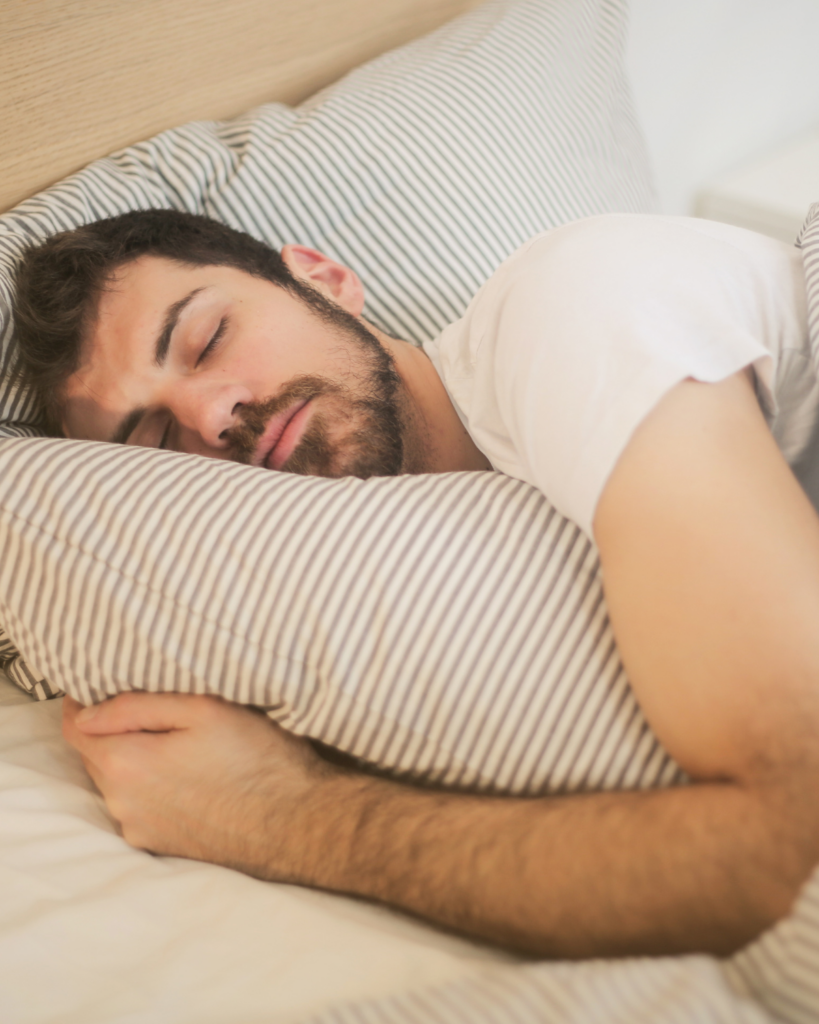
Schedule Your Consultation
What Is Obstructive Sleep Apnea?
Obstructive sleep apnea occurs when the muscles at the back of the throat relax during sleep. The tongue falls back, or soft tissues collapse onto the airway, partially or completely blocking it. Breathing pauses. The brain registers the drop in oxygen and jolts the body awake just enough to restore airflow, often without the person remembering it happened. This cycle can repeat dozens or even hundreds of times per night.
Central sleep apnea, a less common form, occurs when the brain fails to send proper signals to the breathing muscles. Most dental oral appliance therapy addresses obstructive sleep apnea specifically.
OSA Severity Levels
Sleep apnea severity is measured by the Apnea-Hypopnea Index (AHI), which counts the number of breathing disruptions per hour of sleep:
| Severity Level | AHI (events per hour) | Typical Treatment Path |
|---|---|---|
| Mild OSA | 5 to 14 events per hour | Oral appliance therapy is commonly recommended as a first-line treatment |
| Moderate OSA | 15 to 29 events per hour | Oral appliance therapy recommended, particularly for CPAP-intolerant patients |
| Severe OSA | 30 or more events per hour | CPAP is typically first-line; oral appliance may be used when CPAP is not tolerated |
The AASM and AADSM clinical practice guideline recommends oral appliance therapy for patients with mild to moderate OSA and for those with severe OSA who cannot tolerate CPAP. Dr. Milner works within these clinical parameters and does not prescribe appliances without a physician diagnosis confirming the severity level.
How Common Is Sleep Apnea?
The American Academy of Dental Sleep Medicine estimates more than 54 million adults in the United States have obstructive sleep apnea. Most cases remain undiagnosed. The condition does not announce itself loudly to the person experiencing it, because its most significant events happen during sleep. Partners and family members often notice the symptoms before the person with OSA does.
Health Consequences of Untreated OSA
Left untreated, obstructive sleep apnea is associated with elevated risk of serious health conditions including hypertension, heart disease, stroke, type 2 diabetes, and cognitive impairment. Chronic oxygen deprivation during sleep creates cardiovascular stress that compounds over years. OSA also contributes to excessive daytime sleepiness, which has documented associations with vehicle accidents and workplace errors.
OSA also has direct oral health consequences. The habit of mouth breathing that accompanies airway obstruction leads to dry mouth, which reduces the protective effect of saliva and increases the risk of tooth decay and gum disease. OSA is also associated with teeth grinding (bruxism), which can cause tooth wear, jaw pain, and headaches. Dr. Milner addresses both conditions at Fibonacci Smile.
Common Signs and Symptoms of Sleep Apnea
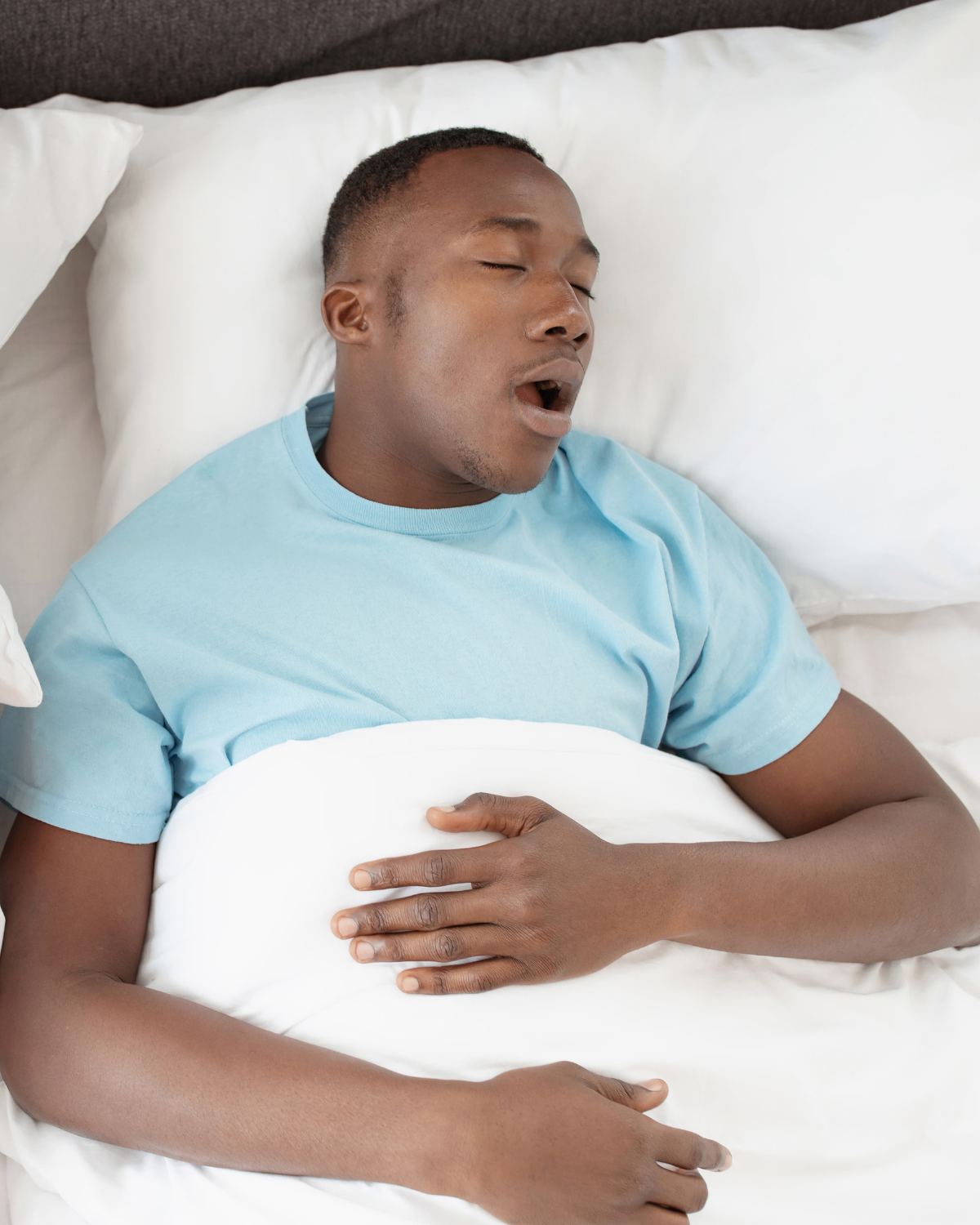
Because OSA happens during sleep, many patients do not recognise it themselves. The most reliable early indicators often come from a partner or family member. Common signs include:
- Loud or chronic snoring, particularly snoring interrupted by pauses
- Witnessed episodes of stopped breathing during sleep
- Gasping, choking, or sudden awakening with a sensation of breathlessness
- Excessive daytime sleepiness despite spending adequate time in bed
- Morning headaches, particularly at the back of the head
- Waking with a dry or sore throat
- Difficulty concentrating, memory problems, or irritability
- Waking frequently during the night without a clear reason
The Sleep Study and Diagnosis Process
Before Fibonacci Smile can fabricate an oral appliance, a formal sleep study and physician diagnosis are required. Here is what that process typically looks like:
Step 1: Speak with Your Primary Care Physician
Describe your symptoms. Your doctor may refer you to a sleep specialist or arrange a sleep study directly. This appointment is the starting point. If you have already been diagnosed with OSA and have a prescription for an oral appliance, you can skip directly to contacting Fibonacci Smile.
Step 2: Sleep Study (Polysomnogram or Home Sleep Test)
A traditional sleep study (polysomnogram) takes place in a sleep lab overnight, where a sleep physician monitors brain activity, oxygen levels, heart rate, and breathing patterns while you sleep. A home sleep test is a simplified alternative for some patients, measuring airflow, breathing effort, and oxygen saturation from the comfort of your own bed. Your sleep physician will determine which is appropriate for your situation.
Step 3: Diagnosis and Prescription
The sleep physician interprets the study data, determines your AHI score, and issues a diagnosis with severity classification. If oral appliance therapy is indicated, a prescription is written. You then bring that diagnosis and prescription to Fibonacci Smile.
Step 4: Oral Appliance Fabrication at Fibonacci Smile
Dr. Milner takes digital scans or impressions of your teeth, evaluates your bite and jaw range of motion, and commissions a custom oral appliance from a dental laboratory. The device is fitted and adjusted at Fibonacci Smile to ensure comfort and effectiveness. Follow-up appointments allow Dr. Milner to fine-tune the appliance position.
Step 5: Follow-Up Sleep Study to Confirm Effectiveness
Most sleep physicians request a follow-up sleep study after the patient has been using the oral appliance for several weeks. This confirms that the device is adequately controlling the apnea events. If further adjustment is needed, Dr. Milner titrates the appliance based on the follow-up study results. Fibonacci Smile coordinates this process with your sleep physician.
How Oral Appliance Therapy Works
The most common type of oral appliance for sleep apnea is a mandibular advancement device (MAD). It resembles a sports mouthguard in appearance but is custom-fitted to your specific bite and jaw anatomy. The device holds the lower jaw slightly forward during sleep, which prevents the tongue and soft tissues from collapsing onto the airway.
The amount of jaw advancement is calibrated individually through a titration process. Dr. Milner adjusts the appliance over several appointments to find the position that controls your apnea events while remaining comfortable enough to wear every night. An appliance that is effective but too uncomfortable to tolerate is not a successful outcome.
Oral Appliance vs CPAP: A Direct Comparison
| Factor | Oral Appliance (MAD) | CPAP Machine |
|---|---|---|
| Mechanism | Repositions the jaw to keep airway open | Delivers pressurised air to keep airway open |
| Size and portability | Small, fits in a pocket or travel case | Requires machine, tubing, mask, and power source |
| Noise | Silent | Machine noise; some models quieter than others |
| Comfort for mild/moderate OSA | Generally high — many patients prefer it to CPAP | Some patients adapt well; others find mask and pressure difficult |
| Effectiveness for severe OSA | Less effective than CPAP for severe cases | Most effective treatment for severe OSA |
| Travel suitability | Excellent — no power required | Requires adapters, power; airlines require notification |
| Compliance rates | Generally higher than CPAP in mild-moderate cases | Can be lower due to discomfort; varies widely by patient |
| Insurance billing | Medical insurance (not dental) — requires physician prescription | Medical insurance — covered with physician prescription |
| Best suited for | Mild to moderate OSA; CPAP intolerant patients | All severity levels; most effective for severe OSA |
The Connection Between Sleep Apnea and Teeth Grinding
Sleep apnea and bruxism frequently occur together. Research suggests that the airway obstruction events of OSA trigger micro-arousals in which the jaw clenches or the teeth grind as part of the body’s effort to restore airflow. Patients who present with significant tooth wear, jaw muscle tenderness, or morning headaches alongside snoring and daytime fatigue may have both conditions.
Dr. Milner evaluates for both at your consultation. In some cases, an oral appliance designed for sleep apnea can reduce bruxism as a secondary benefit, because positioning the jaw forward reduces the airway obstruction that may be triggering the grinding. In other cases, a separate night guard is appropriate. The treatment plan depends on which condition is primary and how the two interact in your specific case. Read more about bruxism treatment on our teeth grinding page.
Why Patients in the Wenatchee Valley Choose Fibonacci Smile for Sleep Apnea Treatment
Physician Collaboration as Standard Process
Fibonacci Smile does not operate in isolation. Dr. Milner works in coordination with your sleep physician and primary care doctor throughout the oral appliance process, from reviewing your sleep study to reporting on appliance fit and requesting follow-up studies. That collaborative model is not just courtesy. It is the standard of care defined by the AASM and AADSM.
Custom Appliances, Not Stock Devices
Every oral appliance fabricated at Fibonacci Smile is custom-made from impressions or digital scans of your specific teeth and bite. Stock or over-the-counter devices are not the same as a custom-fitted appliance and are not appropriate for treating diagnosed sleep apnea. Dr. Milner works with quality dental laboratories to fabricate devices that balance effectiveness and wearability.
Titration and Follow-Up Built Into the Process
Getting the appliance fabricated is only the beginning. The jaw position needs to be titrated, meaning progressively adjusted, to find the position that controls your apnea events without creating jaw discomfort or bite changes. Dr. Milner manages this process at Fibonacci Smile and coordinates with your sleep physician on the follow-up study that confirms the result.
Addressing Both OSA and Bruxism
For patients who present with both sleep apnea and teeth grinding, Dr. Milner evaluates both at the same consultation. Treating one condition while ignoring the other produces incomplete results. The combination of a well-fitted oral appliance and appropriate bruxism management often produces better outcomes than addressing either alone.
Downtown Wenatchee Location, Valley-Wide Service
Fibonacci Smile is at downtown Wenatchee. Dr. Milner has served patients from Cashmere, Leavenworth, Chelan, East Wenatchee, and across the Wenatchee Valley for over 30 years. Patients dealing with the health consequences of untreated sleep apnea should not have to travel over the mountains for quality dental sleep medicine.
Cost and Insurance Coverage for Oral Appliance Therapy
Oral appliance therapy for sleep apnea is a medical procedure billed to medical insurance, not dental insurance. This distinction matters because most dental plans do not cover OSA treatment, but many medical plans do, provided that the following conditions are met:
- A physician has conducted a formal sleep study and issued a diagnosis
- The diagnosis confirms OSA at a level warranting oral appliance therapy
- A written prescription for oral appliance therapy has been issued
- The appliance is custom-fabricated by a qualified dentist
Medicare covers oral appliance therapy for diagnosed OSA. Most commercial medical insurance plans have similar coverage provisions, though the specific requirements and reimbursement levels vary by plan. Fibonacci Smile will work with your insurance to verify coverage and handle the billing process.
The out-of-pocket cost for a custom oral appliance, after medical insurance, varies significantly by plan. Appliances themselves typically range from $1,500 to $3,500 before insurance. CareCredit financing is available at Fibonacci Smile for any portion not covered. Patients paying in full by cash or check receive a 5 percent discount. You can review full financing options on the insurance and financing page.
Frequently Asked Questions About Sleep Apnea Treatment in Wenatchee
Do I need a sleep study before getting an oral appliance?
Yes. A formal diagnosis from a sleep physician is required before Fibonacci Smile can fabricate an oral appliance for sleep apnea treatment. This is both a medical requirement and an insurance requirement. If you suspect sleep apnea but have not yet been evaluated, the first step is a conversation with your primary care physician for a referral to a sleep study.
What is the difference between an oral appliance and a CPAP machine?
A CPAP machine delivers pressurised air through a mask to keep the airway open during sleep. An oral appliance repositions the lower jaw slightly forward to prevent the airway from collapsing. CPAP is generally more effective for severe OSA. Oral appliances are preferred by many patients with mild to moderate OSA because they are smaller, silent, require no electricity, and are far easier to travel with. The AASM and AADSM recommend oral appliances for patients with mild to moderate OSA and for those with severe OSA who cannot tolerate CPAP.
Is oral appliance therapy covered by insurance?
Oral appliance therapy for diagnosed sleep apnea is billed to medical insurance, not dental insurance. Most commercial medical plans and Medicare cover oral appliances when the appropriate physician diagnosis, sleep study, and prescription documentation are in place. Fibonacci Smile handles the billing process and will verify your specific coverage before treatment begins.
How long does it take to get used to an oral appliance?
Most patients adapt to wearing a custom oral appliance within two to four weeks. Initial soreness in the jaw muscles and some increase in saliva production are common during the adjustment period. These typically resolve as the muscles adapt to the new position. If discomfort persists beyond a few weeks, Dr. Milner adjusts the appliance position at a follow-up appointment.
Can an oral appliance cure sleep apnea?
Oral appliance therapy controls the symptoms of obstructive sleep apnea by maintaining an open airway during sleep. It does not cure the underlying condition. If the appliance is not worn, the apnea events return. Long-term consistent use is what produces the health benefits. Lifestyle factors such as maintaining a healthy weight, reducing alcohol consumption, and sleeping on your side can complement oral appliance therapy and in some cases reduce the severity of OSA.
Can I use my dental night guard instead of an oral appliance for sleep apnea?
No. A standard night guard is designed to protect teeth from grinding forces, not to advance the jaw and maintain airway patency. Using a night guard in place of a properly calibrated oral appliance for sleep apnea is not appropriate and will not adequately control apnea events. If you have both sleep apnea and bruxism, Dr. Milner designs a treatment plan that addresses both conditions.
How will I know if the oral appliance is working?
The most reliable measure is a follow-up sleep study conducted after several weeks of consistent appliance use. The sleep physician reviews the AHI score with the appliance in place and compares it to the baseline study. A reduction to a normal or near-normal AHI confirms effective treatment. Dr. Milner also monitors for improvements in daytime symptoms, including reduced fatigue and improved concentration, as clinical indicators alongside the objective study data.
What happens if my sleep apnea is severe?
For severe OSA, CPAP therapy is generally the most effective first-line treatment. However, if you have severe OSA and cannot tolerate CPAP despite a genuine trial, the AASM and AADSM guidelines support oral appliance therapy as an alternative. Dr. Milner will not fabricate an appliance for severe OSA without confirming that CPAP has been attempted and found intolerable, as this is both a clinical and an insurance requirement. Your sleep physician leads this determination.
Get Help for Sleep Apnea in Wenatchee
If you have already been diagnosed with obstructive sleep apnea and have a prescription for an oral appliance, Fibonacci Smile can move forward with fabrication and fitting. Call (509) 665-0300 or email info@fibonaccismile.com to schedule your appointment. Bring your sleep study report and physician prescription to the first appointment.
If you suspect sleep apnea but have not yet been evaluated, start with your primary care physician. Once you have a diagnosis and prescription, come back to us. We are at 1 Fifth Street, Suite 100, downtown Wenatchee, and we serve patients from across the Wenatchee Valley including East Wenatchee, Cashmere, Leavenworth, and Chelan.
You can also read more about oral appliance options on our oral appliances page, or learn about the connection between sleep apnea and teeth grinding on our teeth grinding page.